

Discomfort in the neck and shoulder area most often results from:
As a result, muscle tension increases, range of motion becomes limited, and a feeling of stiffness may develop.
Pilates focuses on the deep stabilizing muscles and improving body awareness. Regular practice can help relieve neck and shoulder pain by:
This approach does not focus solely on symptoms but addresses the root cause of the problem.
The following exercises may help reduce tension. They should be performed slowly and with full movement control.
Lie on your back with your knees bent. Gently lengthen your neck as if the crown of your head is being pulled upward. Avoid tucking your chin excessively toward your chest.
Effect: improves posture and reduces tension.
In a lying or seated position, slowly turn your head to the right and left without pain or jerky movements.
Effect: increases cervical spine mobility.
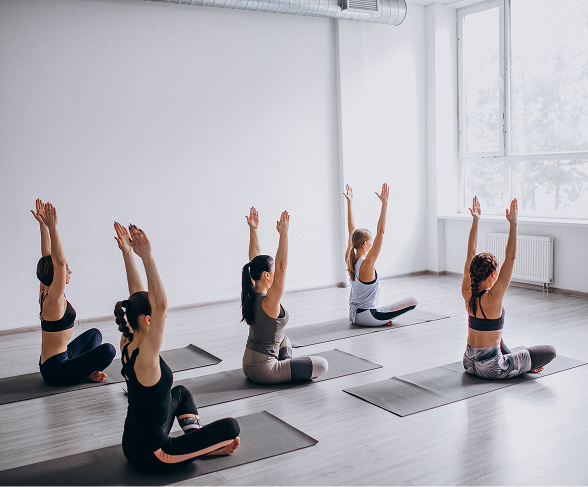
Lie on your back and lift your arms upward while keeping your shoulder blades stable. Focus on gently lowering them toward the ribs.
Effect: reduces neck strain by improving shoulder girdle function.
Breathe deeply, directing the breath into the lower ribs. On the exhale, consciously release tension in the neck and shoulders.
Effect: reduces stress and muscular tension.
To ensure Pilates is effective and safe, keep the following principles in mind:
Improper technique may worsen the condition, so especially at the beginning, it is advisable to practice under the supervision of a qualified instructor.
Pilates is suitable for both beginners and those with prior exercise experience. It is especially recommended for people who:
Consistency is key—even short but regular sessions can deliver noticeable results.
Neck and shoulder pain does not have to be part of everyday life. Properly selected Pilates exercises can not only relieve discomfort but also help prevent it from returning. The key is mindful movement, correct technique, and consistency.
Incorporating Pilates into your daily routine is an investment in spinal health, better well-being, and greater comfort in everyday life.