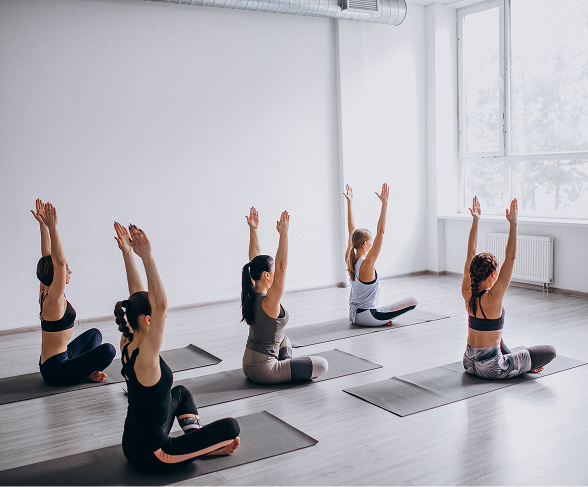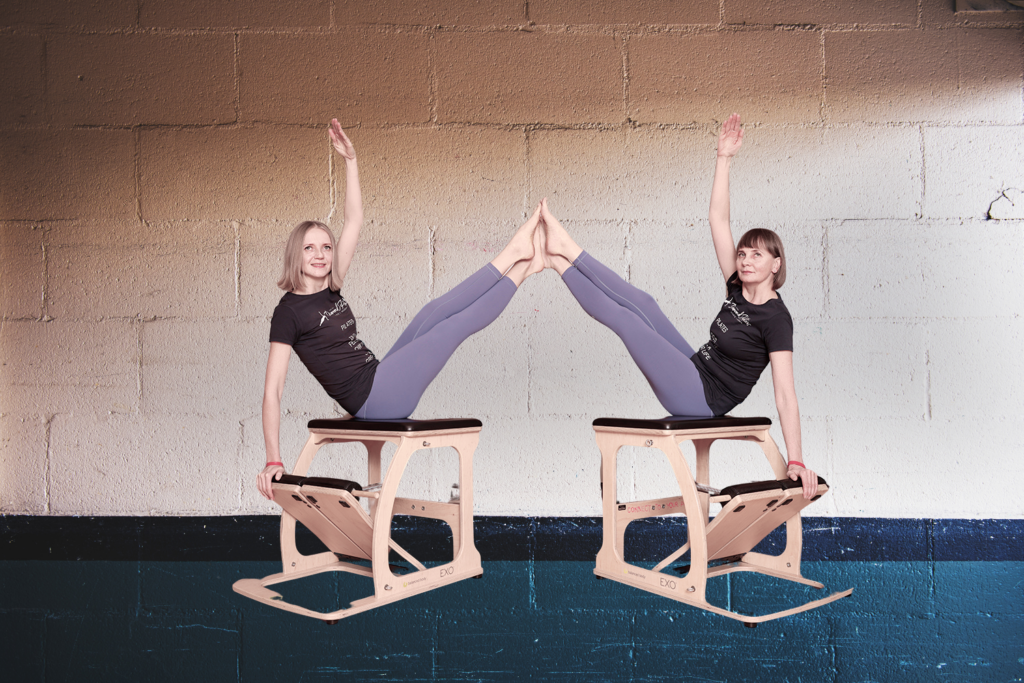

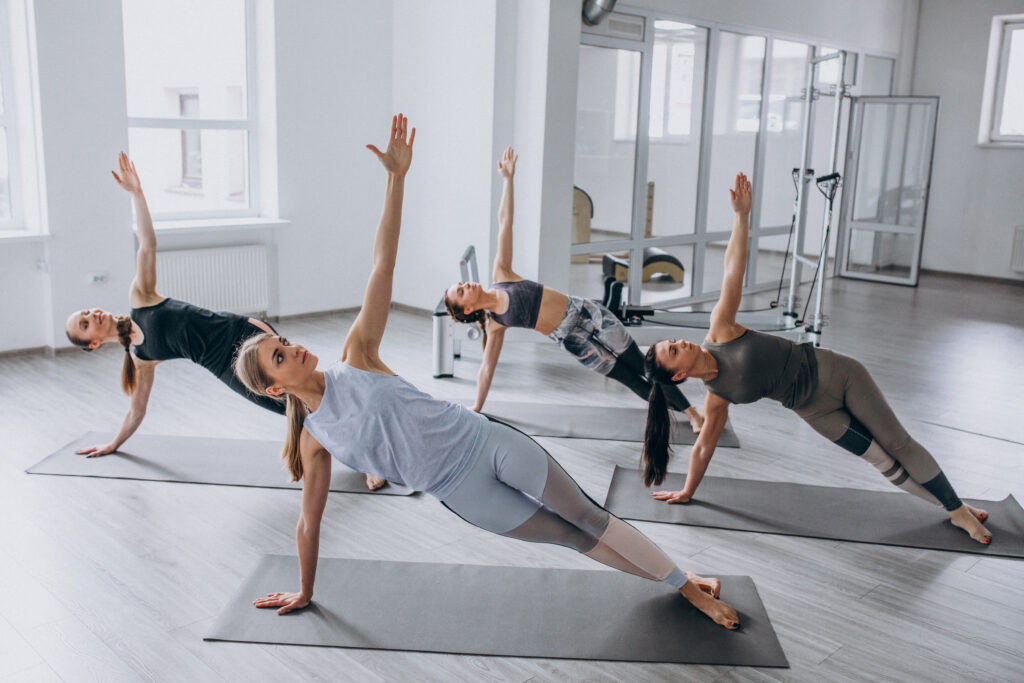
Pilates is a system of exercises developed by Joseph Pilates that combines strength training, stretching, and controlled breathing. The core principle of the method is the quality and precision of movement rather than the number of repetitions.
The exercises focus primarily on the body’s “powerhouse”—the muscles of the abdomen, back, and pelvis. By strengthening these core muscles, Pilates improves spinal stability, posture, and overall body alignment.
Regular Pilates practice offers numerous benefits, especially for beginners:
One of the greatest advantages of Pilates is that it can be adapted to people of all ages and fitness levels.
You don’t need any special preparation to begin practicing Pilates, but taking the right approach from the start will help you get the best results.
If you’re new to Pilates, individual sessions with a qualified instructor are the best place to start. You’ll learn proper technique, build a strong foundation, and avoid common mistakes.
In Pilates, precision matters more than repetition. Performing fewer exercises with correct technique is far more effective than rushing through a workout.
Breathing is an integral part of every Pilates exercise. Proper breathing improves movement efficiency while helping to release unnecessary tension.
Consistency is the key to success. Practicing Pilates just two or three times a week can significantly improve your fitness, posture, and overall well-being.
Pilates is one of the most versatile forms of exercise and is suitable for:
Because every exercise can be modified, Pilates sessions can be tailored to each individual’s needs, abilities, and fitness level.
Many people have questions before starting Pilates:
“Will I be able to keep up?”
Yes. Beginner classes are specifically designed for people with little or no previous experience.
“Do I need to be flexible?”
No. Flexibility develops gradually through regular practice.
“Is Pilates too gentle to be effective?”
Although Pilates is not always fast-paced, it can be highly challenging. Its effectiveness comes from precise movement and deep muscle engagement rather than speed or intensity.
Pilates is an excellent choice for anyone looking to begin exercising in a safe, mindful, and sustainable way. Beyond improving physical appearance, it supports long-term health, relieves muscle tension, enhances posture, and makes everyday movement easier and more comfortable.
Starting your Pilates journey under the guidance of an experienced instructor is the best way to unlock the full benefits of the method while developing proper technique from day one.
“`