
A group exercises together, but every body works differently. How can we teach one method to several people when each has different proportions, abilities, limitations and learning pace? Is the precision of authentic Pilates possible in group classes too? Yes — with appropriate organisation, a well-prepared instructor and conscious participation from clients.
“Precision in a group does not mean everyone must look the same. It means giving each person room to find the best way to achieve a shared movement goal.”
In group work, precision does not require identical ranges of motion, foot positions or spring resistance. It requires a clear objective, thoughtfully chosen variations and attention from both instructor and participant.
Individualisation suggests a one-to-one lesson, while a group suggests a shared program. Yet the two approaches can meet. Individualisation within a group means a common lesson structure in which participants can consciously adapt selected elements to their needs. One changes foot placement, another reduces the range of motion, and a third focuses especially on the pelvis. All pursue the same goal, but not necessarily along an identical path.
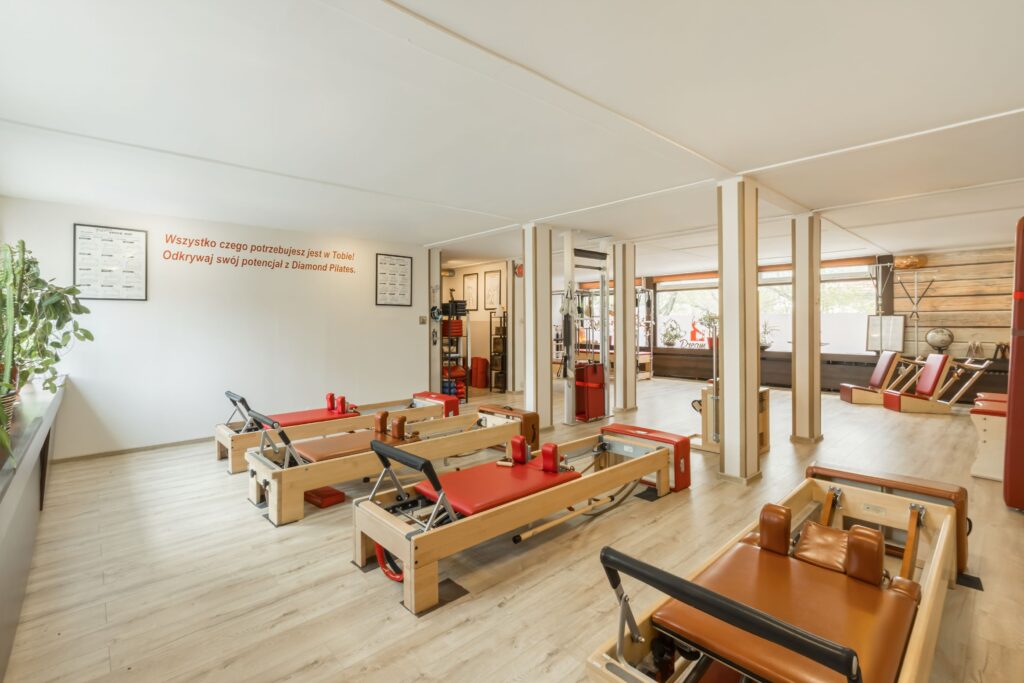
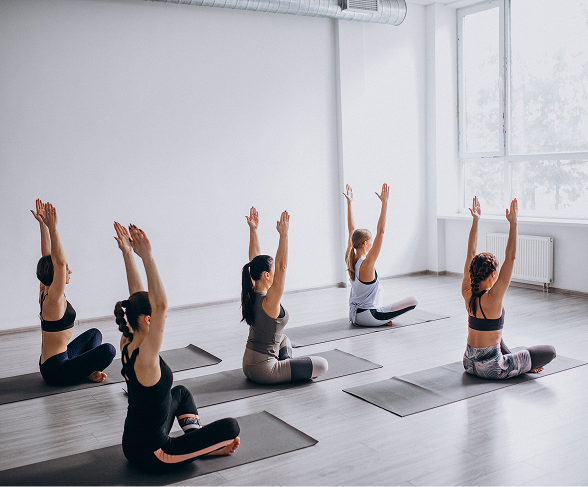
In a duet or trio, it is easier to devote time to each participant. In a larger group, the instructor’s attention is divided. That is why intimate groups of four to six are particularly valuable for precise work. Eight may be manageable in certain circumstances, but calls for strong organisation and greater independence from participants. This is not a universal limit prescribed by the method; it is a deliberate choice of a format in which the promise of quality can be fulfilled.
When six people start from zero, the instructor can introduce the principles of the method, alignment, breath and apparatus work step by step. At the same time, differences emerge: one person understands pelvic organisation but struggles with the head placement; another coordinates well but needs strength; another moves easily yet fails to notice when control is lost. The instructor’s real work is to recognise these differences and teach participants to observe themselves.
During an exercise requiring a stable pelvis, an instructor might say: “If your pelvis begins to tilt, reduce the range”; “If you struggle to keep the spine long, change your leg position”; “If your shoulders tense, try another hand placement.” It remains one lesson, but participants gain tools for making decisions. Over time, they understand which setups work for them. A good instructor does not create dependence on cues; they cultivate independence.
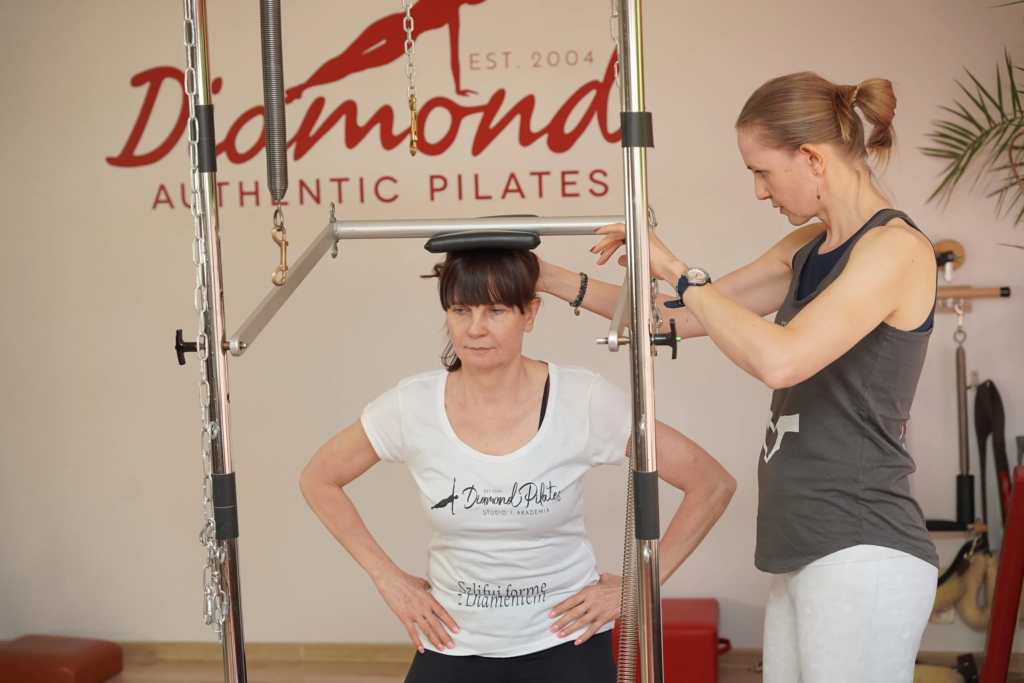
The instructor brings knowledge, experience and the ability to select variations. The client brings attention, communication and willingness to learn. Participants should report pain, discomfort and unclear instructions, and gradually learn to distinguish productive effort from unwanted strain. They need not know anatomy like specialists; they need to develop awareness of their own movement.
Imagine a group that has been training together for several months. Someone with experience from another studio wants to join. Is knowing the exercise names enough? Not necessarily. They may understand cues, apparatus work and the level of independence expected in this group differently. An individual lesson beforehand is therefore a valuable solution.
During this session, the instructor learns how the newcomer organises movement, responds to cues, works with springs and handles potential challenges. The participant learns the studio’s standards and teaching approach. This is not an exam; it is an opportunity to get to know one another. Sometimes one meeting is enough; sometimes two, three or four are needed. Readiness matters, not a fixed number of lessons. The newcomer can then join without feeling lost, while the group maintains continuity in its development.
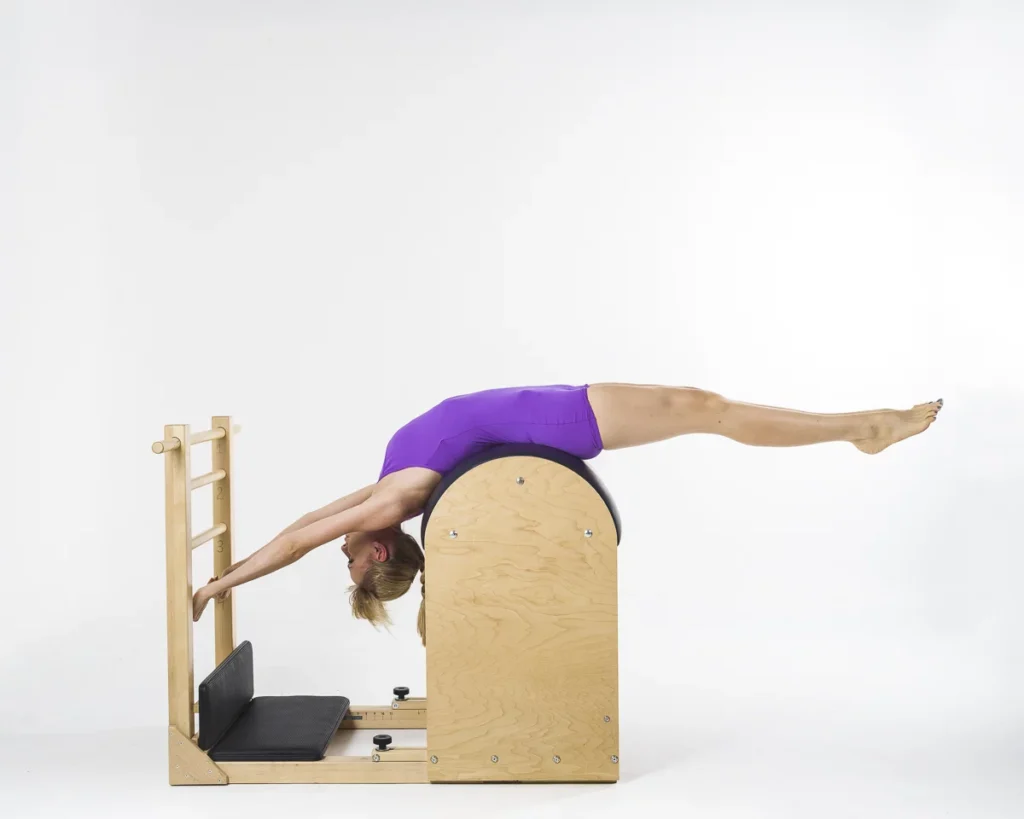
On the Wunda chair, six people might perform Footwork. From the outside, it looks similar, yet one needs different spring resistance, another a change in foot placement, and a third a cue about the spine. Without observation, each may reinforce a different compensation. With observation and correction, the shared exercise becomes a tool for individual development. Individualisation does not mean everyone does something different; it means everyone understands how best to perform the shared task.
A lesson should develop the whole body rather than consist of random movements. At the same time, knowing the group allows the instructor to emphasise work on the shoulders, pelvis, coordination or mobility. The key is not to assume that everyone needs the same correction. A regular, small group gives the instructor time to know the clients — and the clients time to know their own bodies.
No. Professionalism does not mean pretending to control every second of movement for six people. It means directing attention skilfully: identifying key elements, responding to significant compensations and allowing time to understand the task. A good instructor knows when to intervene and when to let someone discover the solution independently.
Beginners ask about feet, pelvis, breathing and movement direction. Over time, they increasingly recognise for themselves when they need a smaller range, a different hand position or different resistance. The group stops being a collection of people imitating the instructor and becomes a community of aware participants, developing together while respecting individual differences.
Individualisation within a group rests on three pillars: knowledge of the method and the body, experience in observing movement, and a genuine commitment to teaching. It asks clients for concentration, patience and openness. This is not about obsessively searching for mistakes; it is about curiosity, through which a small adjustment becomes a new experience.
A well-taught group need not sacrifice individual attention. Participants can develop together, get to know their bodies and progress from fundamentals to increasingly challenging repertoire. The conditions are good organisation, an attentive instructor and active participants. Authentic Pilates is not mechanical repetition; it is a method of developing awareness, control, strength, mobility and harmony.
Written by Ilona Włodarczyk Pilates Master Teacher Authentic Pilates. Conscious movement. Continuous growth.